
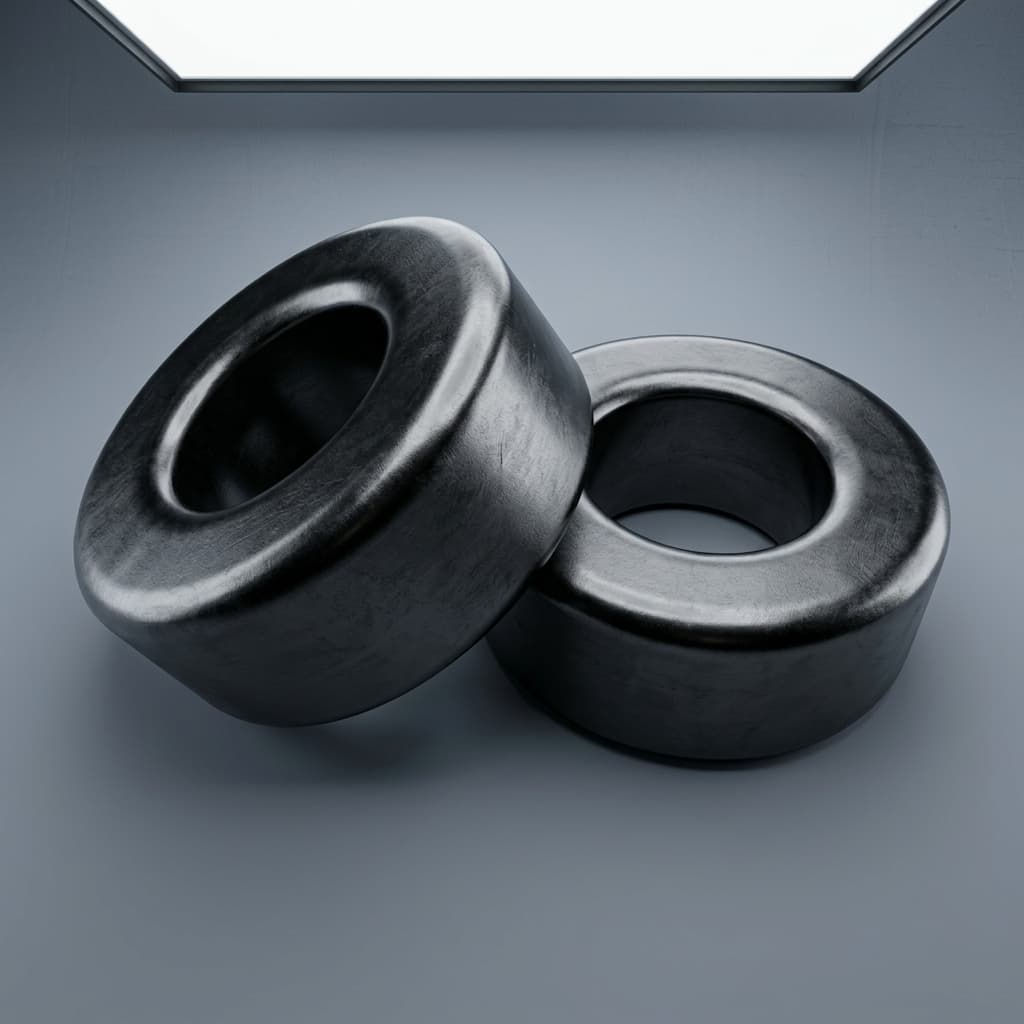
SmCo Magnet End-Use Certificates (EUC) and Export Controls: 2026 Sourcing Compliance Guide
Understand the rising requirements for End-Use Certificates (EUC), export controls, and supply chain traceability when sourcing SmCo magnets globally.
Sourcing Samarium Cobalt (SmCo) magnets in 2026 requires more than just confirming grades, dimensions, and tolerances. Because of their exceptional high-temperature stability and superior magnetic strength, SmCo magnets are heavily utilized in aerospace, defense, and advanced industrial applications. Consequently, they often fall under stringent export controls and dual-use technology regulations worldwide.
For buyers, procurement teams, distributors, and engineers, this means an increasing number of global suppliers and customs authorities now require a detailed End-Use Certificate (EUC) before fulfilling an order or allowing a shipment to cross borders. The landscape of international trade is shifting rapidly, and failure to understand these compliance requirements can lead to extensive supply chain delays, seized shipments, or legal penalties.
This comprehensive guide breaks down the compliance landscape for SmCo magnets, explains why your supplier is asking for your proprietary application details, details how different grades are affected, and provides a clear, actionable checklist to prevent supply chain disruptions.
Scope note, reviewed July 18, 2026: This guide is for global SmCo magnet RFQ planning and supplier communication. It is not a legal classification opinion. Exact licensing obligations depend on the exporter's jurisdiction, item classification, destination country, end user, end use, and whether the magnet is shipped as a raw magnet, magnetized part, or integrated assembly. Confirm controlled shipments with your export counsel, freight compliance partner, or licensing authority before booking cargo.
For connected procurement work, pair this guide with our SmCo RFQ checklist for OEM buyers, SmCo5 vs. Sm2Co17 selection guide, high-temperature SmCo validation plan, China supplier audit checklist, and downhole drilling SmCo application guide.
If your project is already blocked by EUC wording, destination disclosure, or grade classification questions, send SmCoSupply the RFQ context before issuing the PO so we can flag likely documentation gaps early.
Why SmCo Magnets Trigger Export Scrutiny
Unlike standard ferrite or low-grade Neodymium (NdFeB) magnets, Samarium Cobalt magnets (including both SmCo5 and Sm2Co17 series) maintain their powerful magnetic properties at extreme temperatures—often functioning reliably up to 300°C or even 350°C. They also boast exceptional corrosion resistance without the need for plating. This unique combination of properties makes them absolutely critical components for:
- Military Aviation and Radar Systems: Traveling Wave Tubes (TWTs), klystrons, and magnetrons all rely on SmCo for focusing electron beams in radar systems.
- Aerospace and Defense Guidance: Unmanned Aerial Vehicles (UAVs), missile guidance systems, and satellite actuators require the unparalleled thermal stability that only SmCo can provide.
- Downhole Drilling (MWD/LWD): The oil and gas industry uses SmCo in logging-while-drilling equipment operating deep underground where temperatures easily exceed 200°C.
- High-Speed Rotors: Advanced energy systems and high-RPM traction motors generate massive internal heat, requiring Sm2Co17 magnets that resist irreversible demagnetization.
Because these advanced applications often intersect directly with national security interests, international trade authorities classify specific high-performance SmCo magnets as dual-use items—meaning they have legitimate commercial applications but also significant military potential. To prevent these high-tech materials from reaching restricted entities or embargoed nations, suppliers are legally mandated to verify the final destination and precise application of the magnets before processing a transaction.
The Global Regulatory Landscape in 2026
In 2026, the global rare earth supply chain is facing tighter regulations than ever before. Key regulatory frameworks impacting SmCo procurement include:
- U.S. Export Administration Regulations (EAR) and end-use/end-user controls: The U.S. Bureau of Industry and Security (BIS) evaluates controlled trade by item classification, destination, end user, and end use. SmCo magnets are not controlled by product name alone, but high-performance magnets used in aerospace, defense, nuclear, or restricted-party transactions should be screened before quotation.
- European Union Dual-Use Export Controls: The EU dual-use system controls listed items and sensitive end uses, with licensing obligations that can apply when products may contribute to military, weapons, or sanctioned activities. EU buyers and distributors should align technical classification, destination, and end-user records before purchase.
- Chinese Export Control Measures: China announced export controls in 2025 covering specified medium and heavy rare-earth-related items, including samarium-related materials and magnet material categories. For finished SmCo magnets, scope depends on the exact item form, export declaration, and current licensing interpretation, so overseas buyers should expect suppliers to request end-use and ultimate-consignee details earlier in the RFQ process.
The EUC Approval Workflow
Understanding the documentation flow helps procurement teams anticipate delays and build realistic lead times into their purchasing schedules. Below is the typical workflow when purchasing controlled SmCo magnets internationally:
Application Boundaries: When is an EUC Strictly Mandatory?
It is a common misconception that every single magnet order triggers the highest level of scrutiny. The necessity and depth of an EUC often depend on a matrix involving the magnet's specific grade, the buyer's geographical location, the supplier's export jurisdiction, and the stated end-use application.
High-Risk Categories (Strict EUC Mandatory)
If your procurement falls into any of these categories, expect a rigorous documentation process:
- High-Performance Grades: Sm2Co17 grades with a Maximum Energy Product ((BH)max) greater than 26 MGOe, or grades engineered for extreme operating temperatures (e.g., 350°C variants). Treat this as a supplier-screening trigger, not a universal legal threshold.
- Sensitive Applications: Aviation sensors, UAV drone motors, missile guidance systems, nuclear facility applications, deep-sea exploration, and advanced telecommunications.
- Complex Geographies: Cross-border transactions involving countries with historically complex trade restrictions, or transshipments through regions known for trade diversion.
- Custom Assemblies: Highly complex magnetic assemblies involving SmCo that are pre-magnetized and designed for a specific piece of sensitive machinery.
Moderate Risk Categories (Standard Declaration Sufficient)
For less critical applications, a standard End-Use Declaration (often a one-page form) may suffice:
- Standard Grades: Lower-tier SmCo5 or standard industrial Sm2Co17 (e.g., SmCo24, SmCo26).
- Civilian Applications: General industrial AC/DC motors, commercial medical devices (like standard MRI machine components), standard automotive sensors, and basic consumer electronics.
- Domestic Sourcing: Domestic sourcing within allied trade blocks often faces less friction, though suppliers still keep basic end-use statements on file to protect their own supply chain liability.
SmCo Procurement Compliance Checklist
To avoid having your purchase order (PO) paused by the supplier or your shipment held indefinitely at customs, procurement teams should proactively prepare the following information. Having this ready when you place your PO can shave weeks off your overall lead time.
| Requirement Area | Information Needed | Why It Is Required | Risk if Missing or Incomplete |
|---|---|---|---|
| Final End-User Identification | Full legal company name, physical address, and official website of the entity ultimately using the magnet. | Verifies the buyer is not listed on a restricted entities list or denied-party list. | Immediate order rejection, massive delays, or severe legal penalties. |
| End-Use Application Description | Specific description of the final product and its function (e.g., "Rotor assembly for 50kW industrial water pump"). | Determines if the application falls under dual-use, military, or civilian classification. | Export license denial; shipment seized at the port of origin. |
| Country of Ultimate Destination | The exact country where the magnet will be installed, integrated, and operated. | Prevents illegal transshipment or diversion to embargoed nations. | Customs hold at the port of export; potential audit of buyer. |
| Project Reference or PO Number | Internal project codes, non-confidential project names, or official PO numbers. | Adds necessary traceability for supplier audits and government record-keeping. | Delayed supplier internal approval process. |
| Signatory Authority | Legible signature, name, and title from an authorized corporate officer (e.g., Purchasing Manager, Director). | Legally binds the buying entity to the compliance terms and confirms authenticity. | EUC deemed invalid; requires complete resubmission and restarts the clock. |
| Non-Transfer / Non-Diversion Clause | Written agreement stating the items will not be re-exported, transferred, or diverted to restricted parties. | Satisfies Bureau of Industry and Security (BIS) or equivalent international guidelines. | Immediate loss of future purchasing privileges from the supplier. |
| Spec Confirmation & Acceptance | Dimensional tolerances, grade certification, coating/plating specs, and acceptance criteria fields on the PO. | Ensures technical specs match the EUC declaration and prevents customs discrepancies. | Quality disputes or customs flagging the shipment for specification mismatch. |
Buyer & Engineering Decision Matrix
Navigating compliance requires coordination between engineering and procurement. Use this matrix to evaluate the compliance impact of your design choices:
| Design / Sourcing Scenario | SmCo Grade Selected | Operating Temp / Environment | Supplier Communication Needed | Buyer Decision Point | Failure / Compliance Risk |
|---|---|---|---|---|---|
| Standard Industrial Motor | SmCo5 or Sm2Co17 (≤26 MGOe) | Up to 250°C, commercial plant | Provide basic end-use statement and company profile. | Optimize for cost and standard lead time. | Low risk. Standard declaration suffices. |
| High-Temp Aerospace Sensor | High-Grade Sm2Co17 (≥28 MGOe) | 300°C+ | Full EUC required. Provide exact application type without compromising IP. | Buffer 4-8 weeks for export licensing; consider NDA. | High risk of export denial if application is vague. |
| Downhole Drilling Tool | High-Grade Sm2Co17 (Low Temp. Coeff.) | 350°C, high pressure | Full EUC required. Must specify destination country of deployment. | Ensure end-user in the destination country is not on restricted lists. | Shipment seized if destination country is embargoed. |
| Medical Device (MRI) | Standard Sm2Co17 (24-26 MGOe) | Room temp to 150°C | Basic end-use statement detailing medical application. | Document medical device classification to expedite review. | Moderate risk if mistaken for industrial/defense use. |
| Automotive EV Traction | Sm2Co17 (26-28 MGOe) | 200°C | Comprehensive EUC detailing vehicle platform and civilian nature. | Verify tier-1/tier-2 supply chain routing to avoid transshipment flags. | Delays if intermediate assembly locations are in high-risk zones. |
| Custom Defense Assembly | Any Grade | Any | Extensive EUC, ITAR compliance (if US), and direct government coordination. | Must engage legal/compliance teams immediately. | Extreme risk. Strict adherence to dual-use and military export controls mandatory. |
Procurement Checklist: How to Prepare Your RFQ
When you send a Request for Quote (RFQ) for SmCo magnets, proactive compliance can reduce your lead time by weeks and signal to the supplier that you are a serious, professional buyer. Implement this checklist for every new SmCo sourcing initiative:
- Define the Application Upfront: Do not use vague terms like "for a motor." Clearly state the end-use in your initial RFQ (e.g., "For commercial EV traction motor in civilian vehicles"). This allows the supplier to immediately classify the export risk.
- Identify the Ultimate Consignee: If you are a distributor, agent, or contract manufacturer, you must know who your final downstream customer is. You cannot legally purchase controlled SmCo magnets for "general stock" without disclosing the eventual end-user to the export authorities.
- Review Restricted Lists: Run compliance checks to ensure your downstream clients do not appear on any government denied-party lists. It is the buyer's responsibility to know who they are selling to.
- Allocate Buffer Time for Licensing: If a formal export license is required based on your EUC, factor an additional 4 to 8 weeks into your procurement timeline. Export authorities operate on their own schedules, and suppliers cannot expedite government bureaucracy.
- Standardize Your Internal EUC Process: Create a template internally so that your engineering and procurement teams gather the necessary application data before approaching suppliers.
- Establish Inspection & Acceptance Criteria: Ensure your incoming quality control (IQC) procedures align with the exact specifications declared in the EUC to prevent internal audits from flagging discrepancies.
Navigating Confidentiality and Intellectual Property Concerns
A major friction point for OEM buyers is the fear of exposing proprietary designs or trade secrets when filling out an EUC. Engineers are often reluctant to provide the exact function of their cutting-edge prototype to a foreign supplier.
How to balance compliance with confidentiality: You do not need to provide proprietary schematics, exact torque specifications, or patented designs to satisfy an EUC. A high-level, clear description of the application's nature is usually sufficient. For example, instead of detailing the exact mechanism of a new defense drone, you might state "Actuator component for aerospace application."
If the export authority requests further clarification, your supplier will notify you. If you are deeply concerned about intellectual property leakage, ensure a robust Mutual Non-Disclosure Agreement (MNDA) is signed prior to EUC submission. Legitimate, established suppliers maintain strict firewalls between their compliance departments and their sales/engineering departments.
Frequently Asked Questions (FAQ)
Q: Can I refuse to provide an End-Use Certificate if my application is purely commercial? A: No. If a supplier requests an EUC for compliance reasons, refusing to provide it will inevitably result in order cancellation. Suppliers are legally bound to obtain this documentation for controlled items, regardless of whether you assure them the application is commercial. The document is the legal proof required by their government.
Q: Does an EUC need to be renewed for every single order? A: This depends on the supplier and the export jurisdiction. Sometimes, a blanket EUC can be issued for a specific part number spanning a 12-month period. However, if the design, the destination country, or the end-user changes, a new EUC must be submitted immediately. It is safer to assume an EUC is required per Purchase Order unless negotiated otherwise.
Q: Are Neodymium (NdFeB) magnets subject to the exact same EUC requirements as SmCo? A: While ultra-high-grade NdFeB magnets (like those with extremely high intrinsic coercivity) can also face export controls, SmCo's specific dominance in high-temperature defense and aerospace applications makes it a much more frequent target for dual-use scrutiny. However, the overarching trend in 2026 is moving towards comprehensive traceability for all rare earth materials, meaning NdFeB buyers should also prepare for increased documentation.
Q: Our company uses a freight forwarder. Do they sign the EUC? A: No. A freight forwarder or logistics company is merely an intermediary. The End-Use Certificate must be signed by the ultimate consignee—the company that will actually utilize the magnets in their manufacturing process or final product.
Q: What happens if the end-use changes after the magnets are delivered? A: If the magnets were purchased under a specific EUC for a civilian project, and you later decide to re-allocate them to a defense project or export them to a different country, you may be in violation of export control laws. You must consult with your legal compliance team and potentially notify the original supplier or relevant trade authority before diversion.
Q: How do I specify temperature requirements without revealing our exact operational envelope? A: You can provide a generic temperature class that encompasses your requirement without being precise. For example, stating "Designed for operation in environments up to 300°C" gives the supplier and export authority enough context for the material choice without revealing the exact 285°C operating point of your proprietary process.
Q: Will an EUC affect my warranty or return rights? A: Generally, no. An EUC is a compliance document for export, not a technical performance contract. Your warranty and return rights should be clearly defined in your commercial terms and conditions or purchasing agreement, entirely separate from the EUC.
Field Evidence Snapshot
- Compliance delays usually appear after PO release, when the supplier asks for ultimate consignee, destination, and end-use wording that the buyer has not yet approved internally.
- RFQs move faster when engineering provides a non-confidential application description, operating environment, and country of use before the commercial quote is finalized.
- Distributor orders need extra traceability because the supplier may need the downstream end user, not only the trading company that places the PO.
Related Internal Guides
- SmCo RFQ Checklist for OEM Buyers
- SmCo Supplier Audit Checklist for China OEM Sourcing
- High-Temperature SmCo Validation Plan
- SmCo Magnets for Downhole Drilling MWD/LWD
External Standards and References
- Bureau of Industry and Security (BIS) - Guidance on end-user and end-use controls.
- European Commission - Exporting dual-use items from the EU.
- Ministry of Commerce of the People's Republic of China (MOFCOM) - Announcement No. 18 of 2025 on export control of medium and heavy rare-earth-related items.
- Dura Magnetics - Samarium cobalt magnets overview.
- Arnold Magnetic Technologies - RECOMA samarium cobalt magnets.
Need Help Navigating SmCo Sourcing and Compliance? Our engineering and global compliance teams at SmCoSupply can help you specify the right SmCo grade while ensuring a smooth, fully compliant procurement process. We understand the nuances of international trade regulations and can guide your procurement team through the EUC process to minimize delays.
Contact SmCoSupply for an RFQ or Compliance Consultation and let us secure your rare earth supply chain.
Author

Application Engineering Specialist & Founder at SmCoSupply. Expert in high-temperature samarium cobalt magnet applications and OEM production scaling.
- Reviewed against real RFQ and sample handoff workflows.
- Updated when buyer-side acceptance criteria materially change.
- Intended for engineering and procurement decision support.
Categories
More Posts

SmCo vs NdFeB: High-Temperature Decision Guide for Engineers
A practical framework for deciding when SmCo is the right replacement path for high-temperature or high-stability magnet applications.
SmCo Magnet Angle Error: Specification & QC | SmCoSupply
Specify SmCo magnet magnetic axis deviation, testing method, tolerance band, and RFQ controls for precision sensors and motors. Contact SmCoSupply engineering.

SmCo Magnet Air Freight Compliance and Shielding Packaging Guide (IATA 953)
Use this SmCo magnet air freight guide to plan IATA PI 953 testing, shielding packaging, documentation, and chargeable-weight estimates before RFQ release.